Web Design&Efficient Workflow

In this post, Sue Jenkins introduces several aspects based on the web design workflow.

The content is divided into the following questions:

What is web design workflow?

A web design workflow is a process of developing a website.
When building a website, each step must be arranged in a sequence, to make the process effective.

What can it be used to do?

This workflow, as what words already mentioned in the heading, is using most commonly for web designing.

It is helpful for those who are keen to design their website or mobile; especially for those who have some basic knowledge about Web design and the experience of actually designing.

Also, it will be better if the users have used graphic software such as Photoshop, Illustrator, and others used to design web graphics.

What is the purpose of making it?
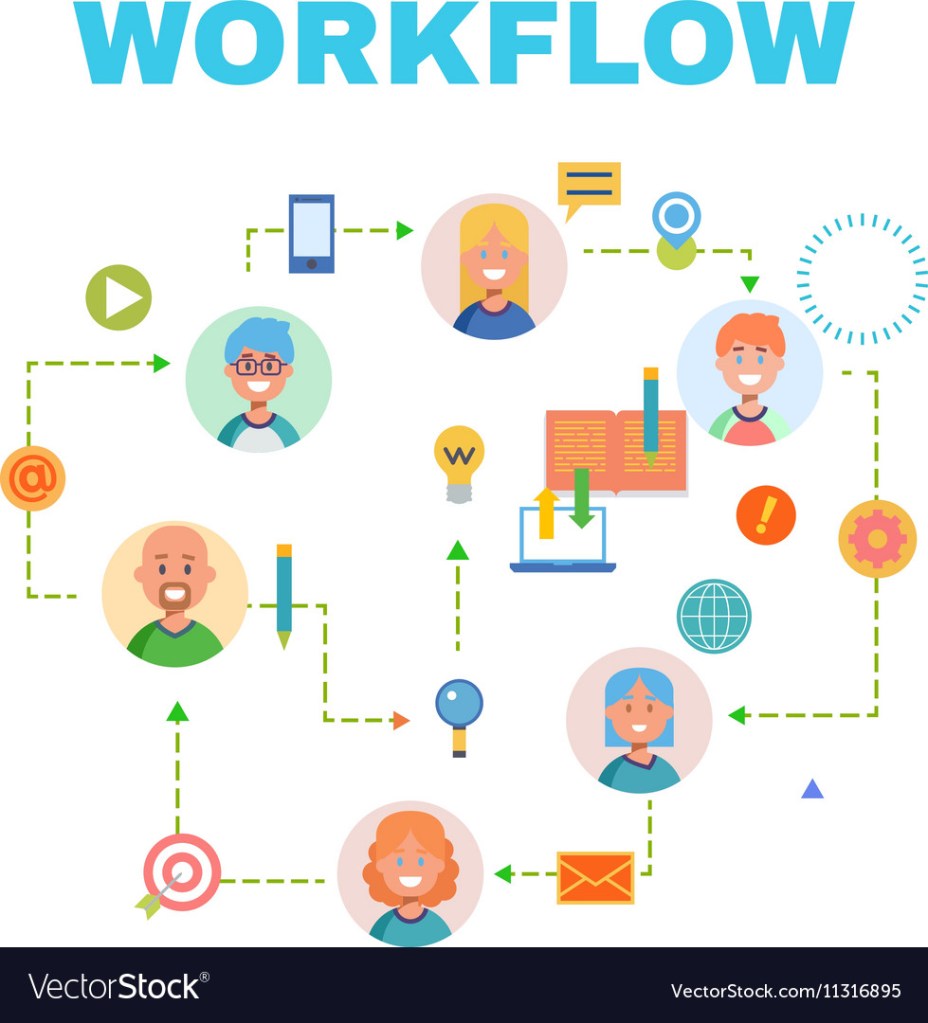
The reason for making this workflow is to make the process of working and designing websites be as efficient as possible.
Furthermore, making an efficient workflow can reducing tautologies and streamlining the design process.

What are the benefits of learning from other designers?

Learning from other designers can help one get inspiration by referencing from taking a look at their method.
Plus, you can have a better understanding of the logical order that they used in their design.
The more you study from different designers’ examples, the more familiar and clear you get to know what you are going to do.

What kind of workflow does Jenkins use?

In Sue Jenkins’s workflow, there are four key components: sketch, moodboard, design, and revision.
Before going through the four steps, Jenkins will begin by making a wireframe to have a basic outline of the site’s structure and layout.
Next, she will move on to the stage of brainstorming ideas in sketch form.
What’s more, she will create a moodboard that including the artistic drawings such as patterns and color palette.
From there comes the last step: designing of the mockup and adjusting the layout, followed by making some revisions at last before settling the design.

In conclusion, web design workflow plays an important role in the field of Web graphic design because it makes the building process became more efficient.

User Experience for Web Design

Building a site for your visitors


You need to know who your audience is and how they behave before you can build a successful site.
Different audiences have different needs.

For example, there’s a case of contrasting a car enthusiast with a small business owner; what they focus on and concerning are different.

Knowing whom the audiences are by tracking the behaviors of the visitors coming to your site.

The first step is to spending time and thinking about who exactly you’re going to optimize the design of the site.

Sketching out the attributes of the visitors that one cares about, what they value, what their goals are, and what concerns might stop them from using my site.
Someone called this type of sketch as “persona”.

By focusing on this one individual, what actually done was making a lot amount of people enjoy using the website you produce.

Understanding how people browse the web

  • By knowing what motivates the people, you may design a site that people enjoy using it.
  • When people use the web, they’re almost always doing so to find information, not for pure entertainment.
  • Most people visiting the site while having a specific goal in their mind, and we can tracing it from the searching engine; since that’s where they might access your website rather than a direct URL.
  • By doing so, it helps you clarify what does the visitors want from your site.

Simple Design

All elements of the page should be helping to tell the story, and if they don’t help, you should get rid of them.

Let’s look at graphical elements of the site:

  • Site decorations should be matched to the scene for what the site is about.
  • Also, images should play a supportive role to the content.
  • Besides, advertisements should be associated with what readers are likely to concern about.

Have a look at the textual elements of the site:

  • Remember to cutting the amount of content on the page helps you be more clear on expressing the ideas.

“It’s normally possible to cut it by 50% compared to what you might have in a print based layout”

by Chris Nodder

Furthermore, the appropriate fonts must be find which are legible on the screen.

In conclusion, this post introduced the following three points: think who the audience is before actually building the website, understand what the audience’s goals are by tracing the search engine; and using graphical and textual elements when building the site.